Brief & lookdev
We agree on the shots, the mood and the references. I build or clean up the product model and prove materials and lighting on stills before anything moves.
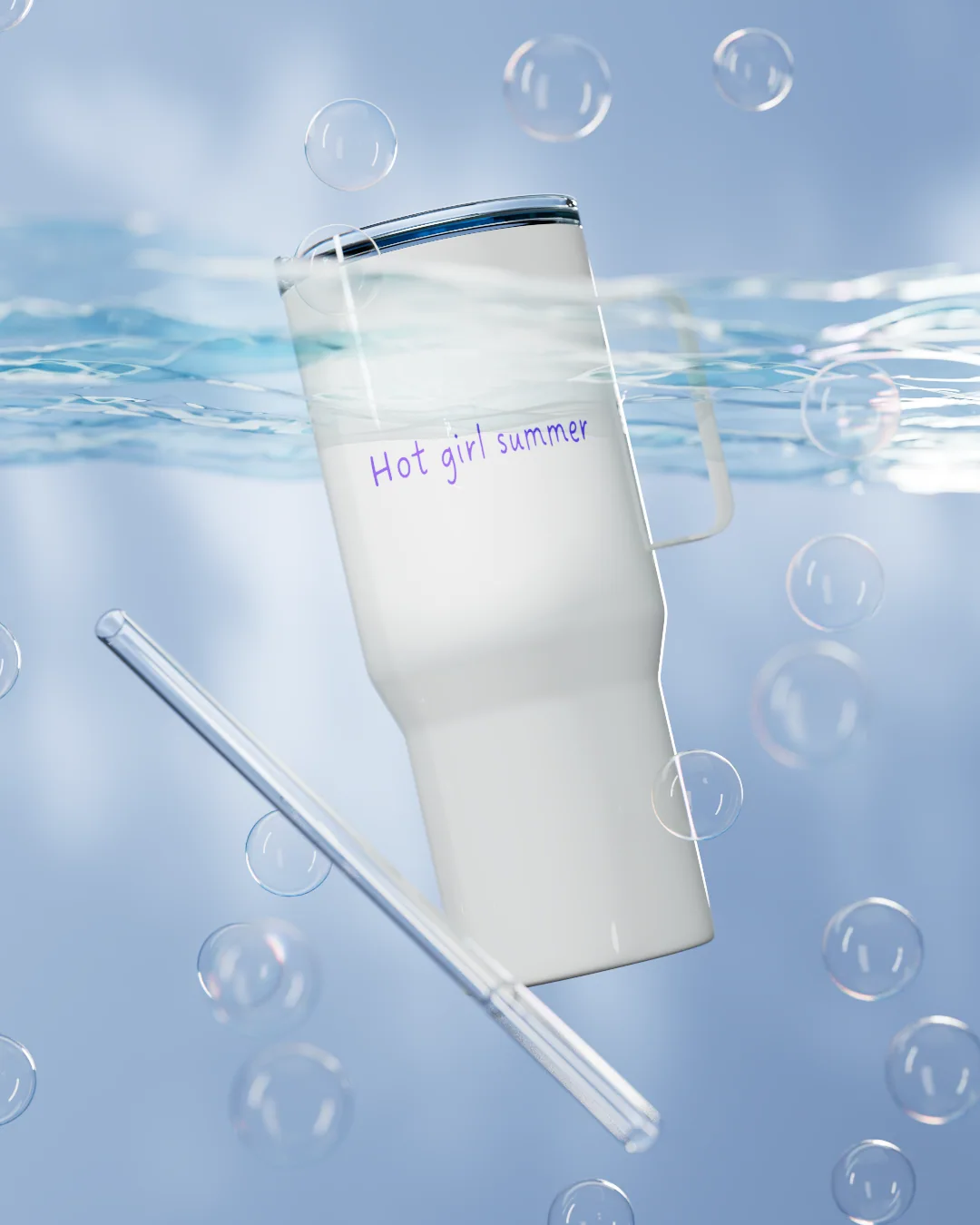
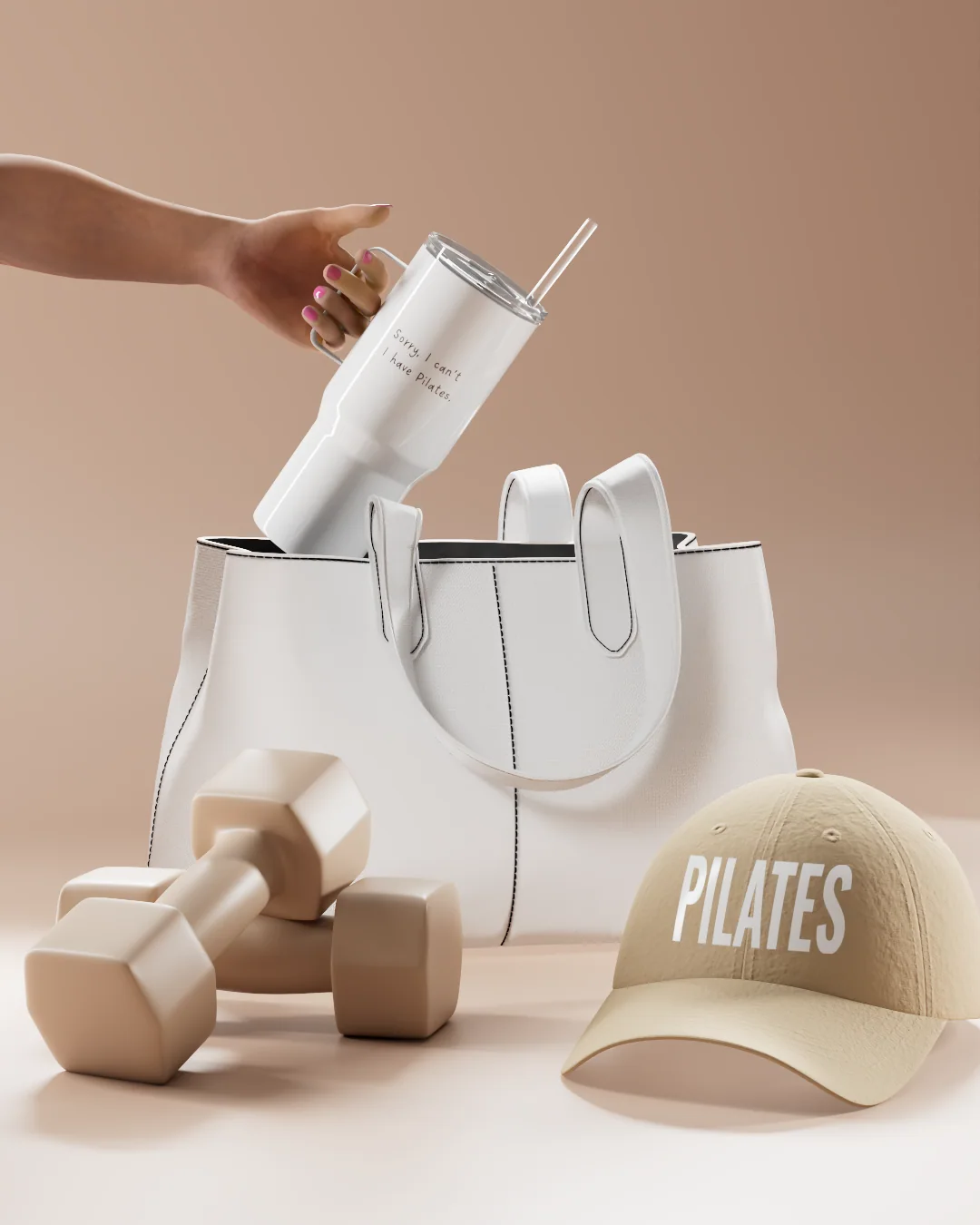
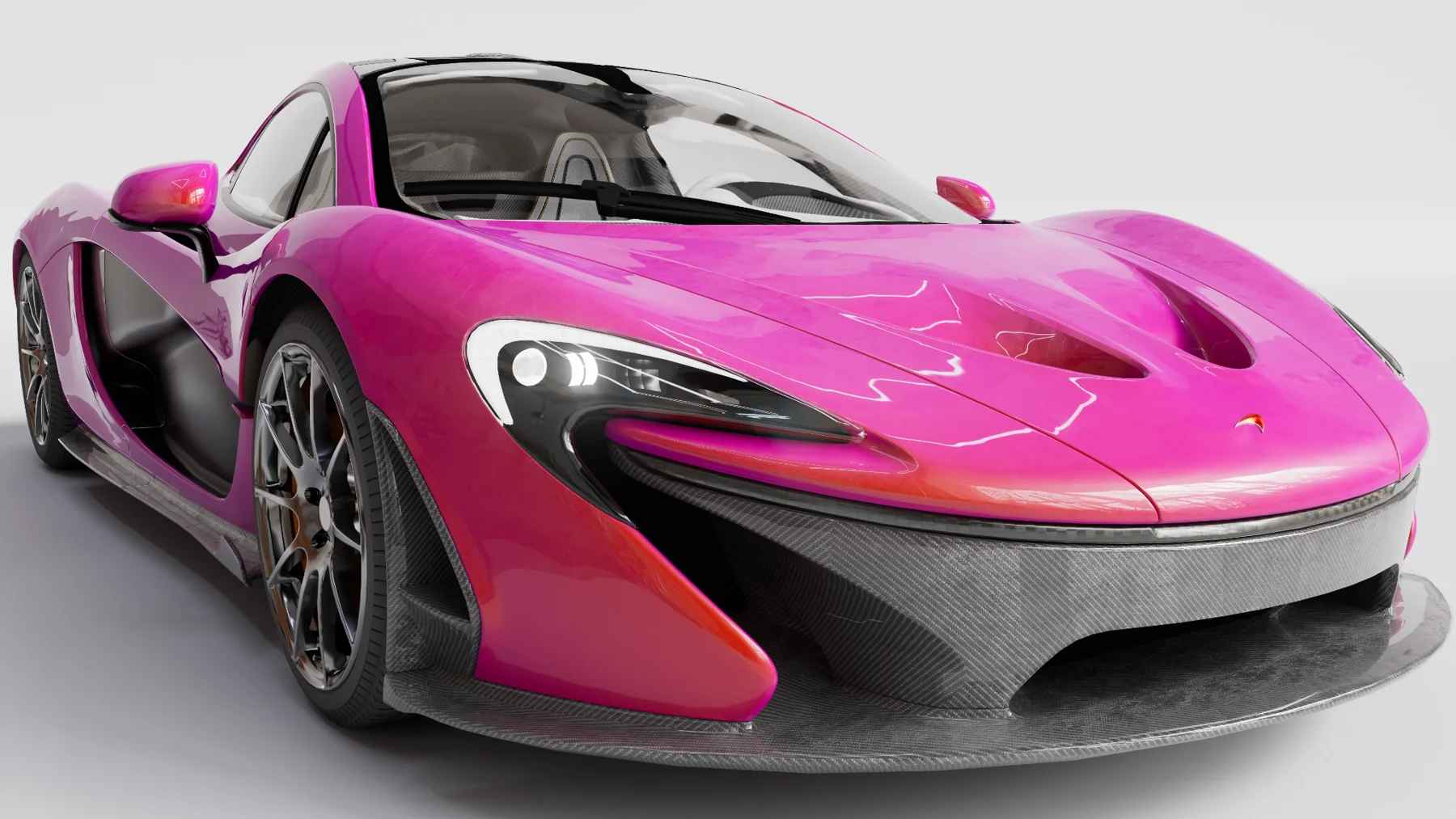
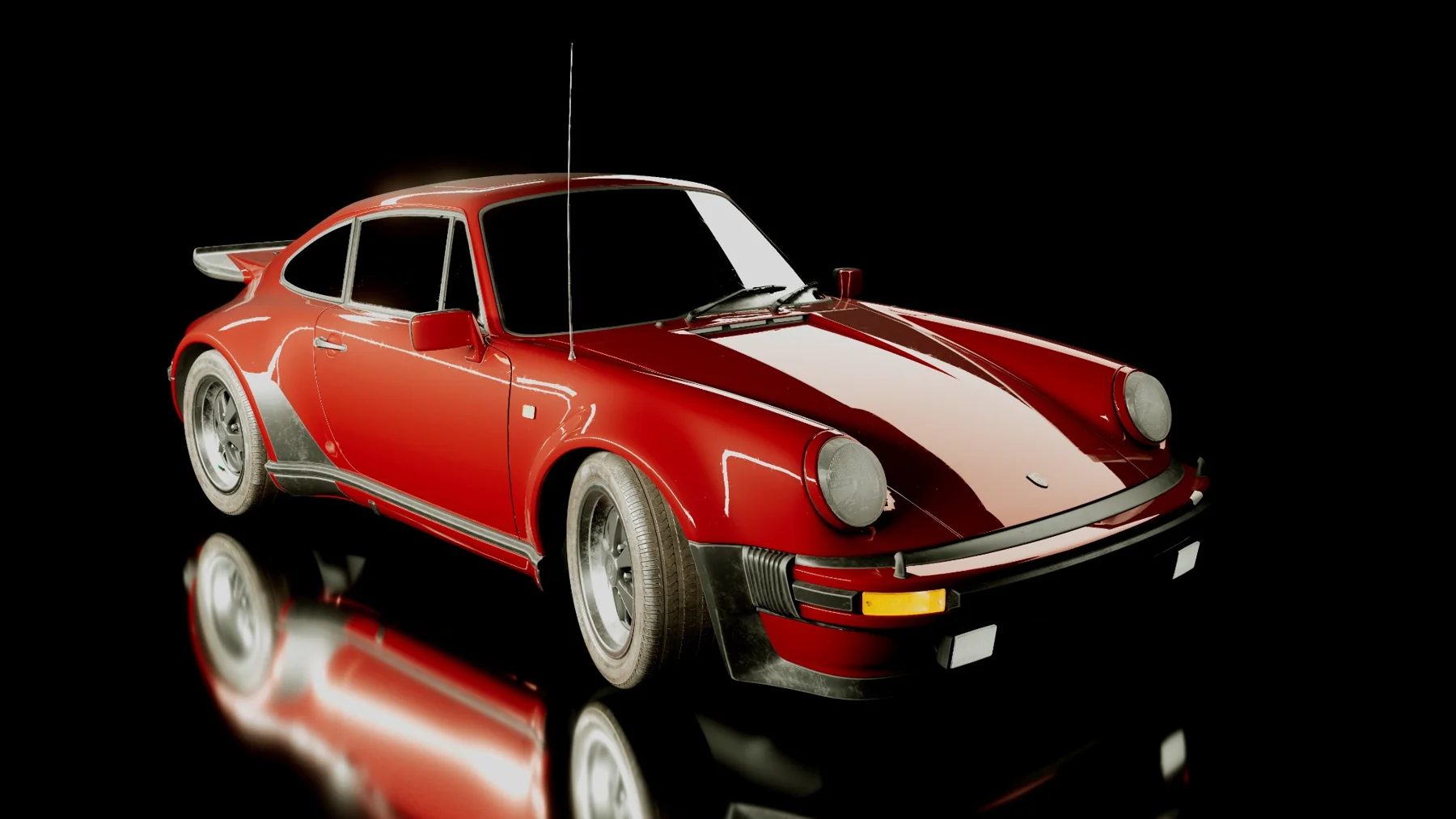
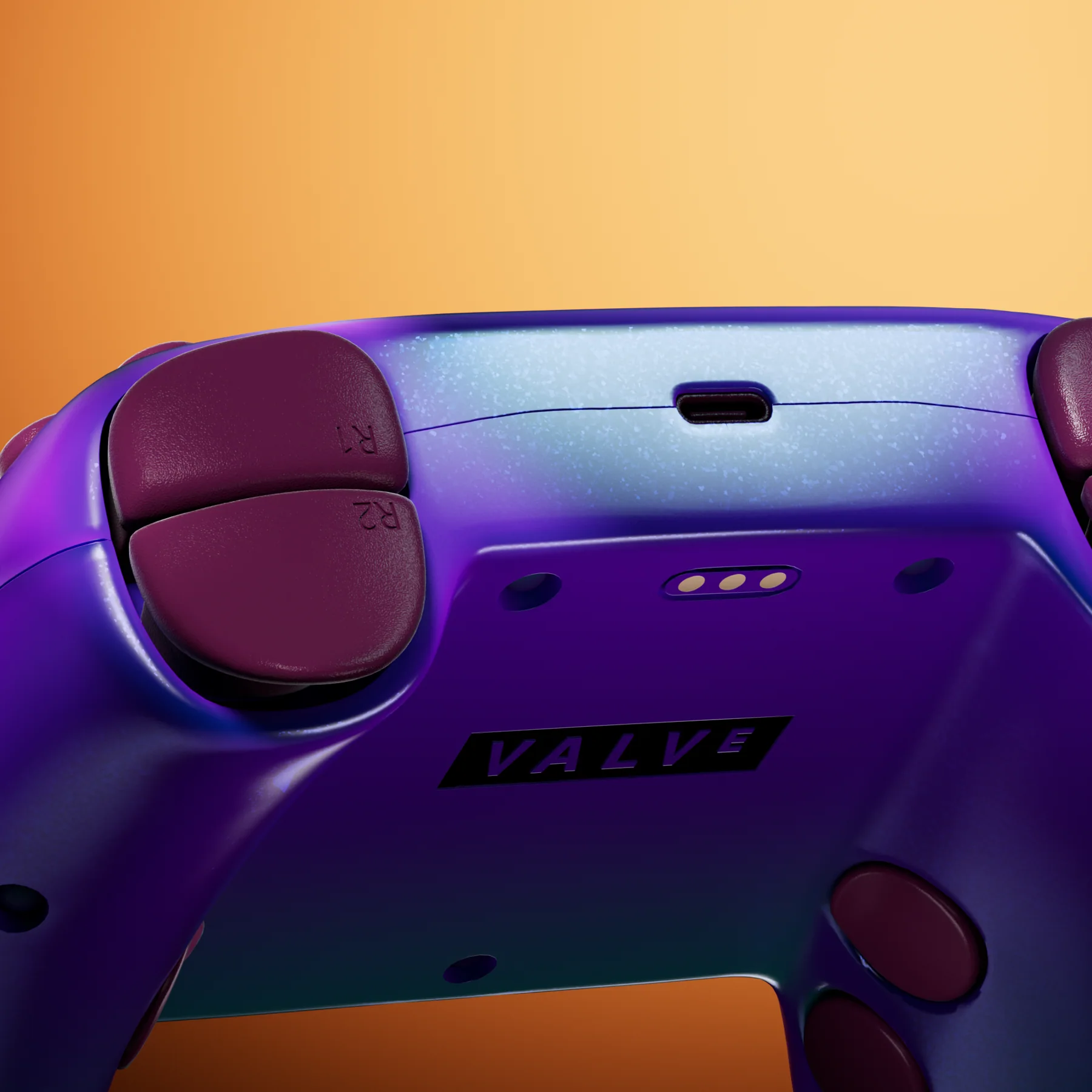
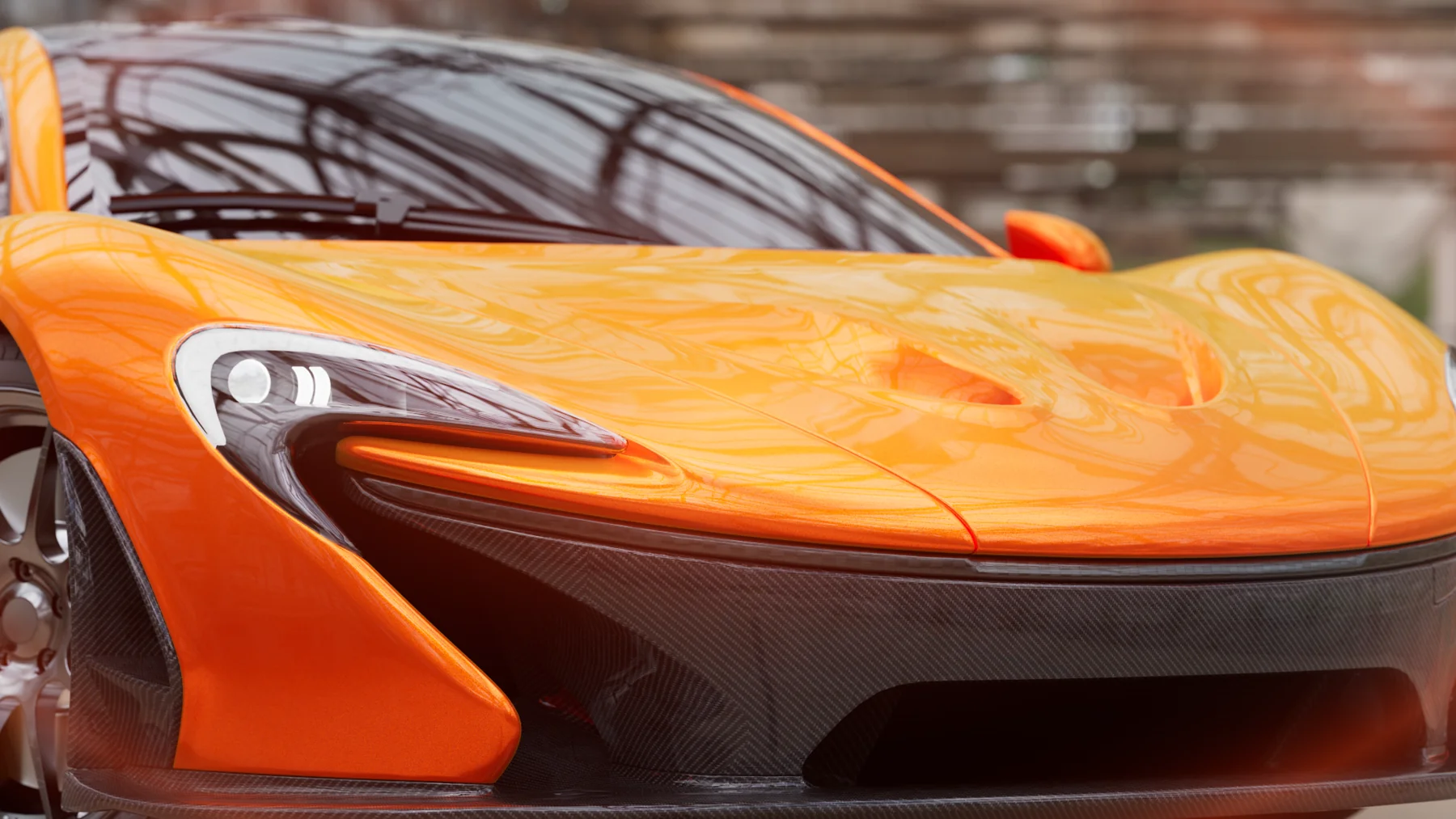
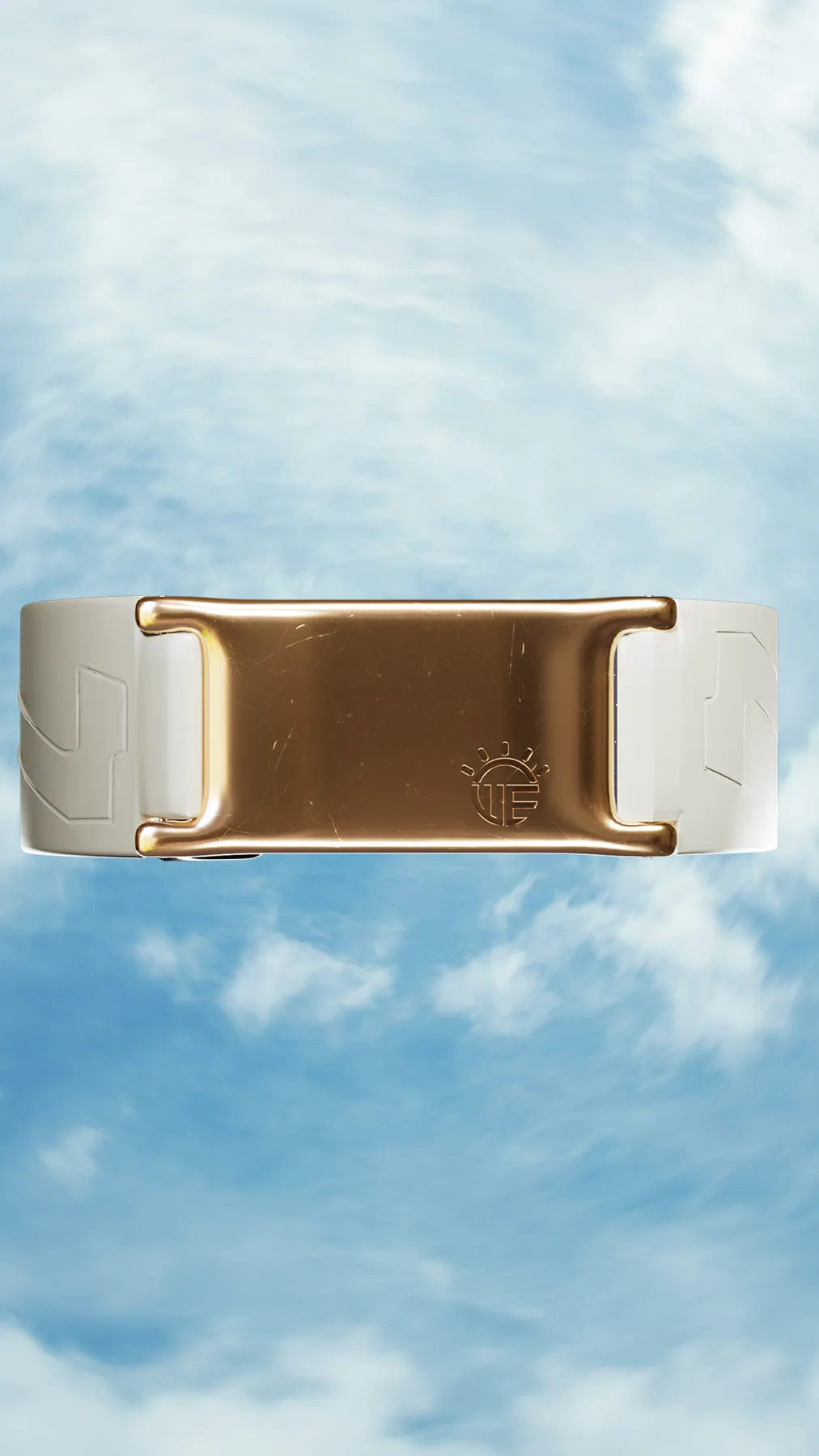
Photoreal renders and cinematic product films for beauty, fragrance, drinkware, jewelry, automotive and consumer tech. Glass, liquid, metal and fabric, lit like a studio shoot.
Selected product films. Hover to play; tap on touch screens.
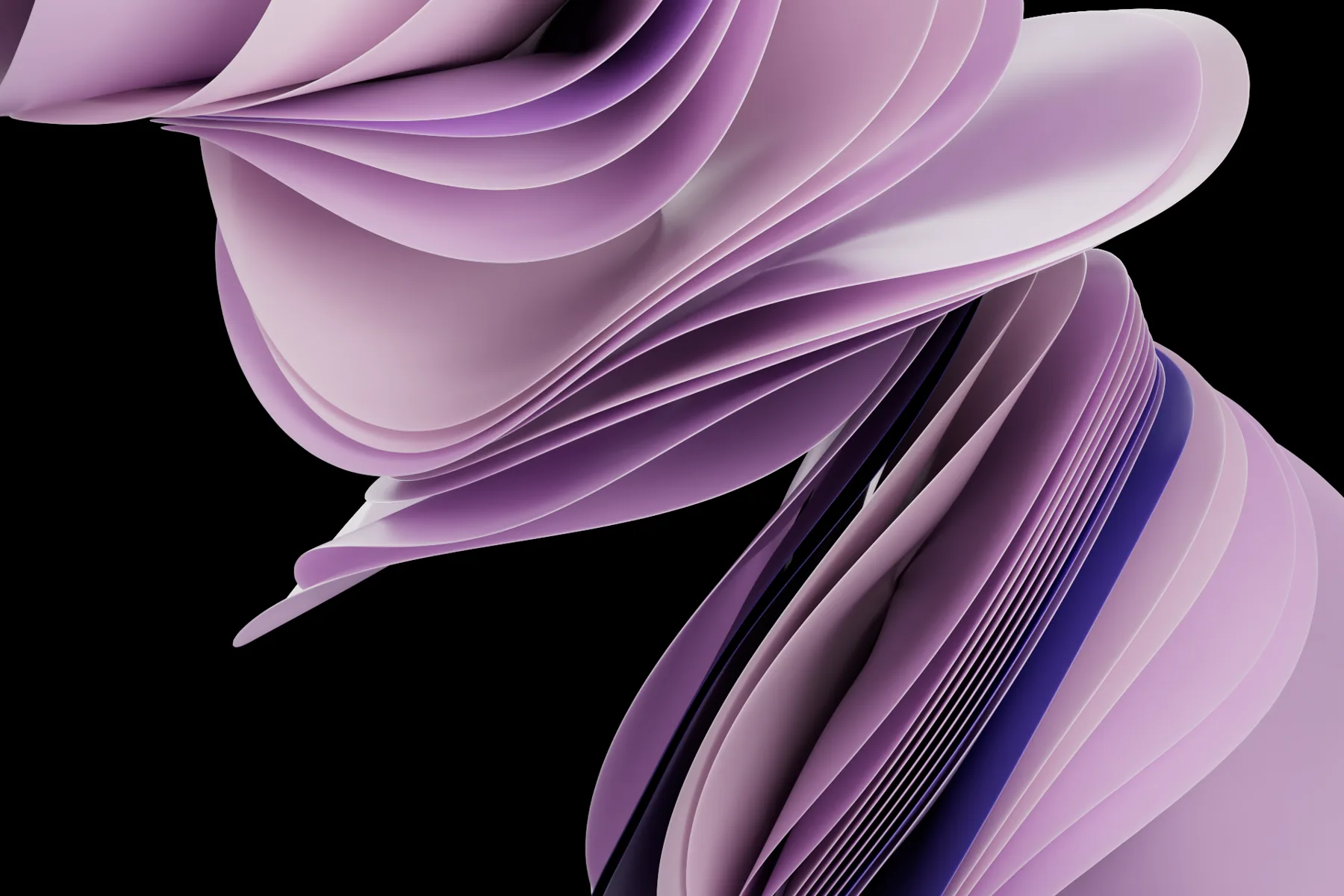
Photoreal renders across materials: glass, liquid, polished metal, fabric and lacquer. One slot is reserved for the next render.
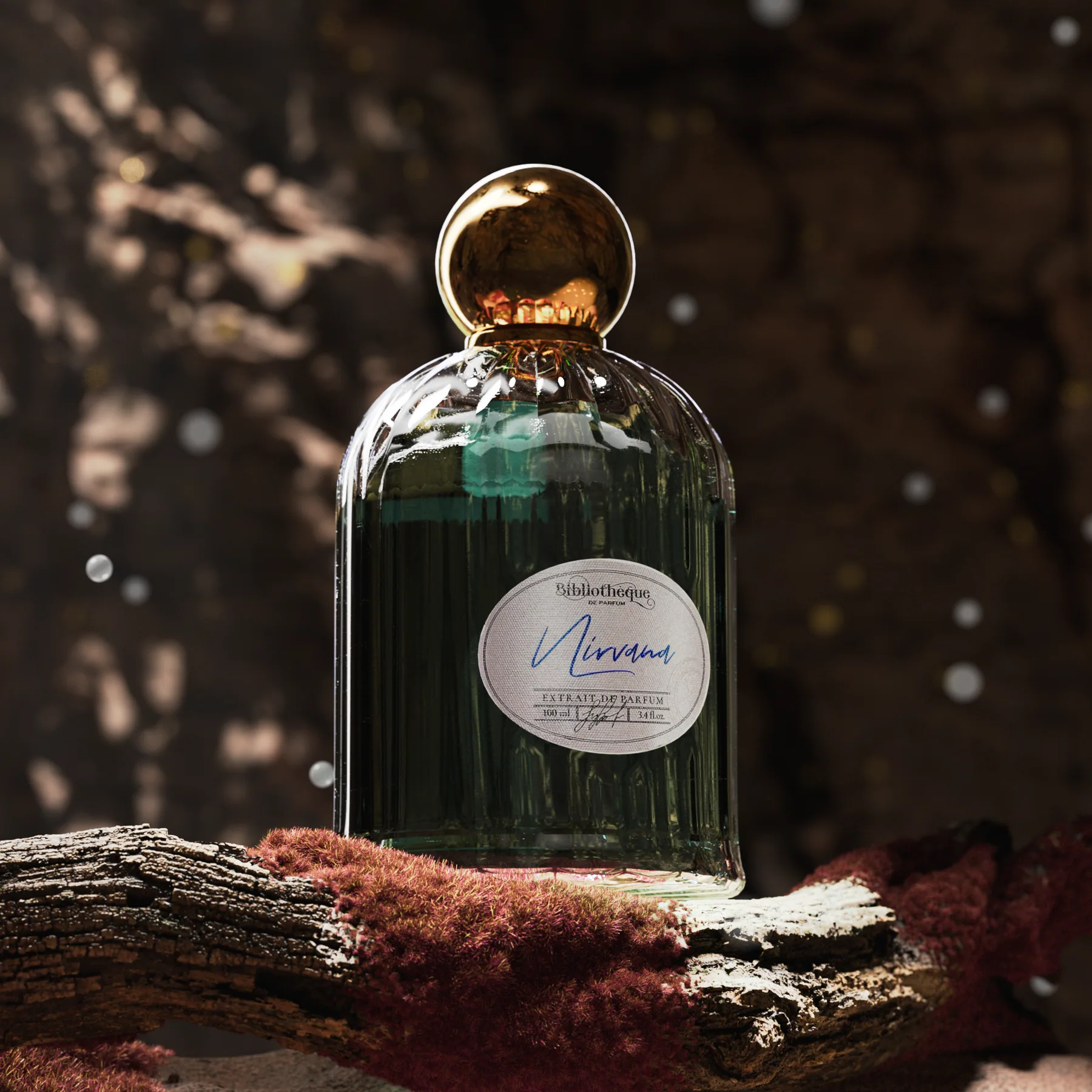
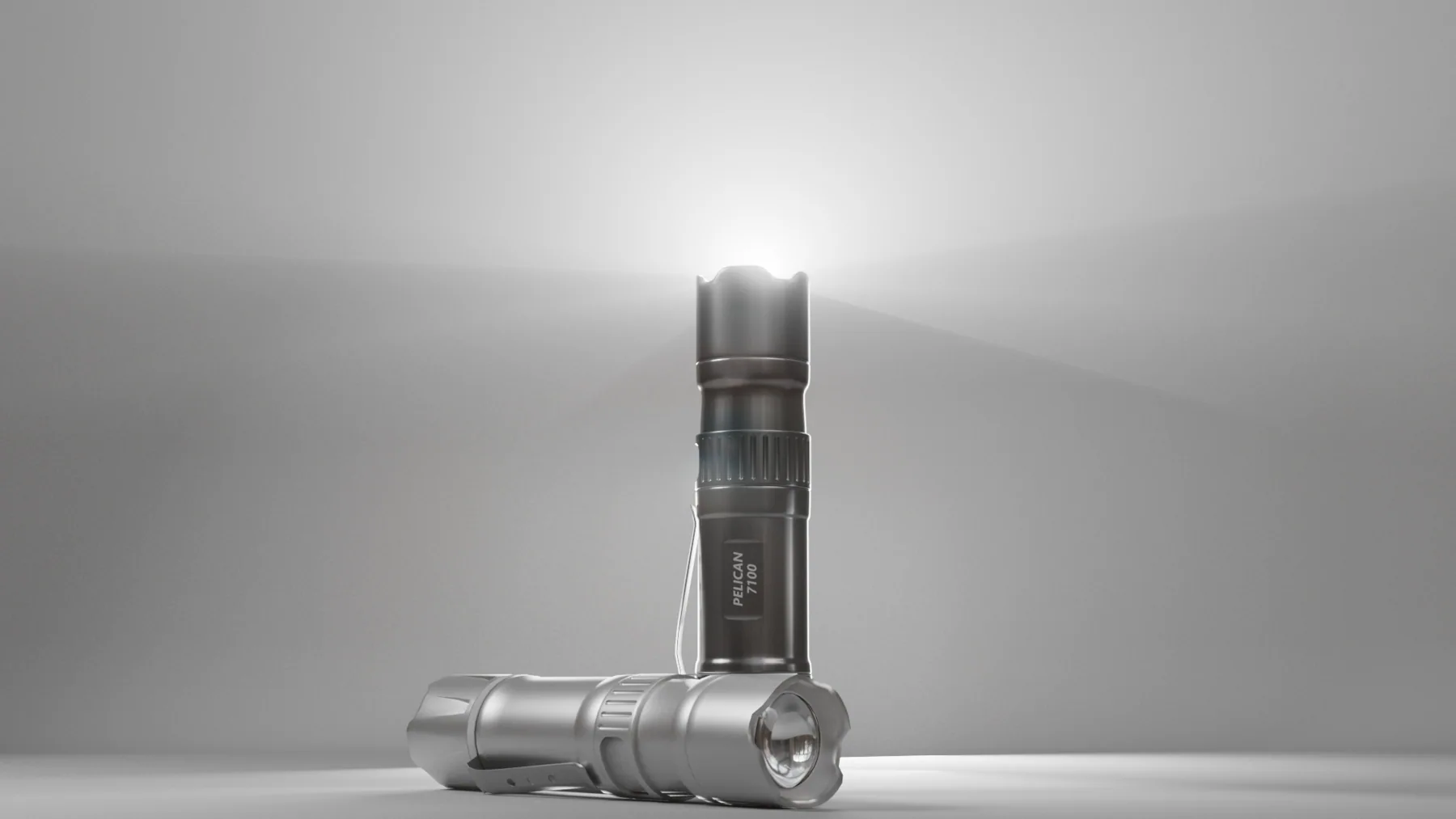
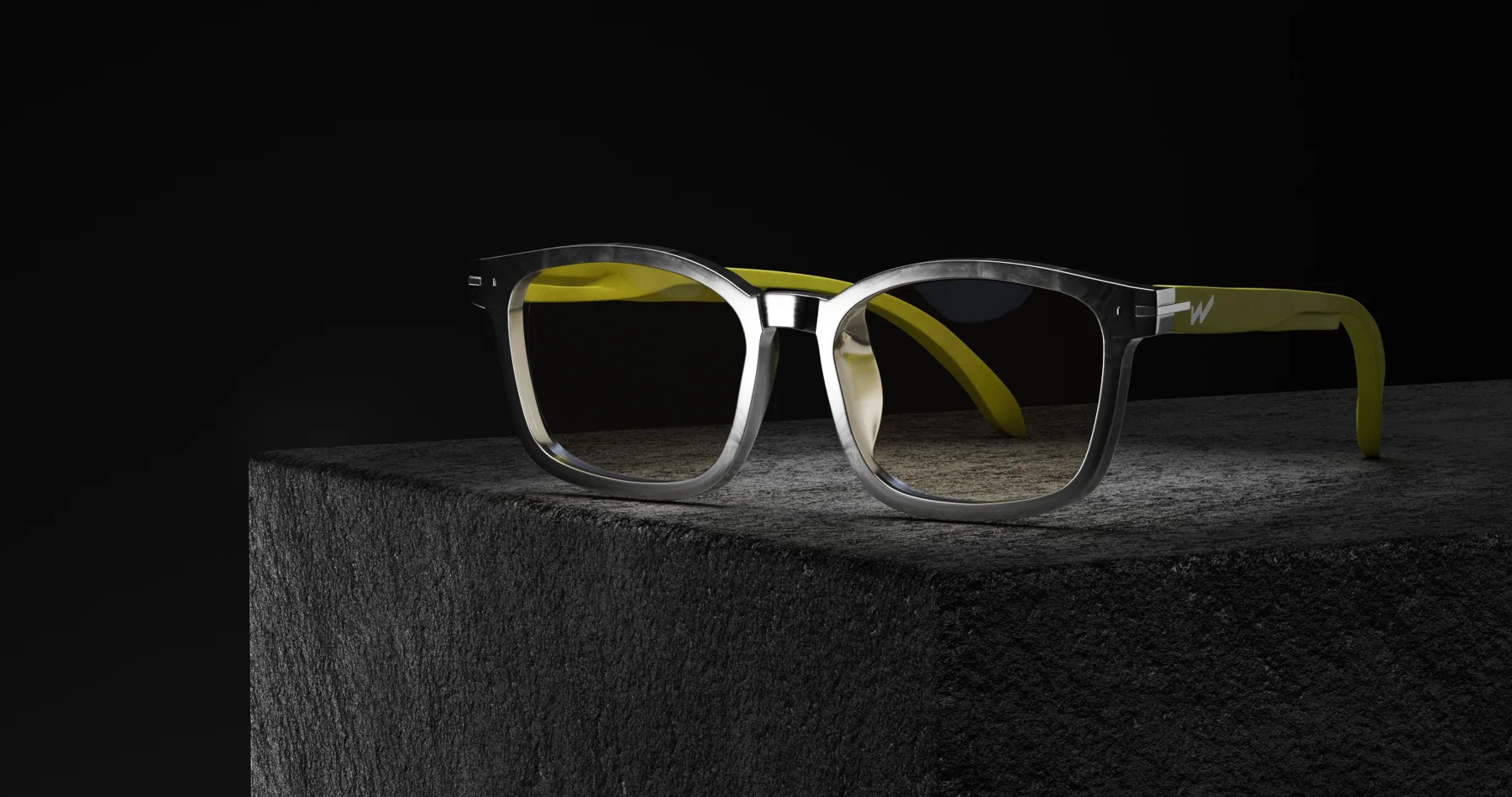
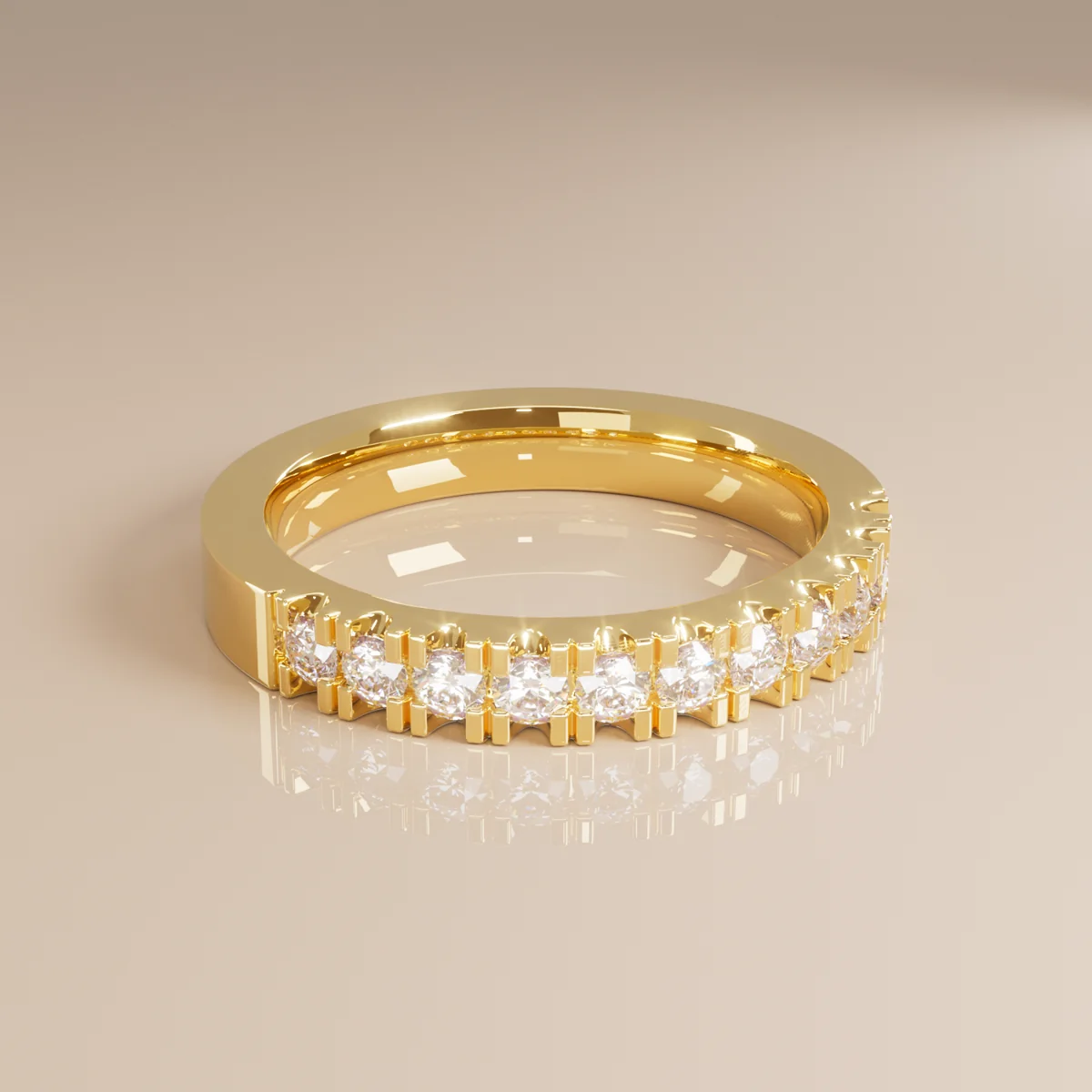
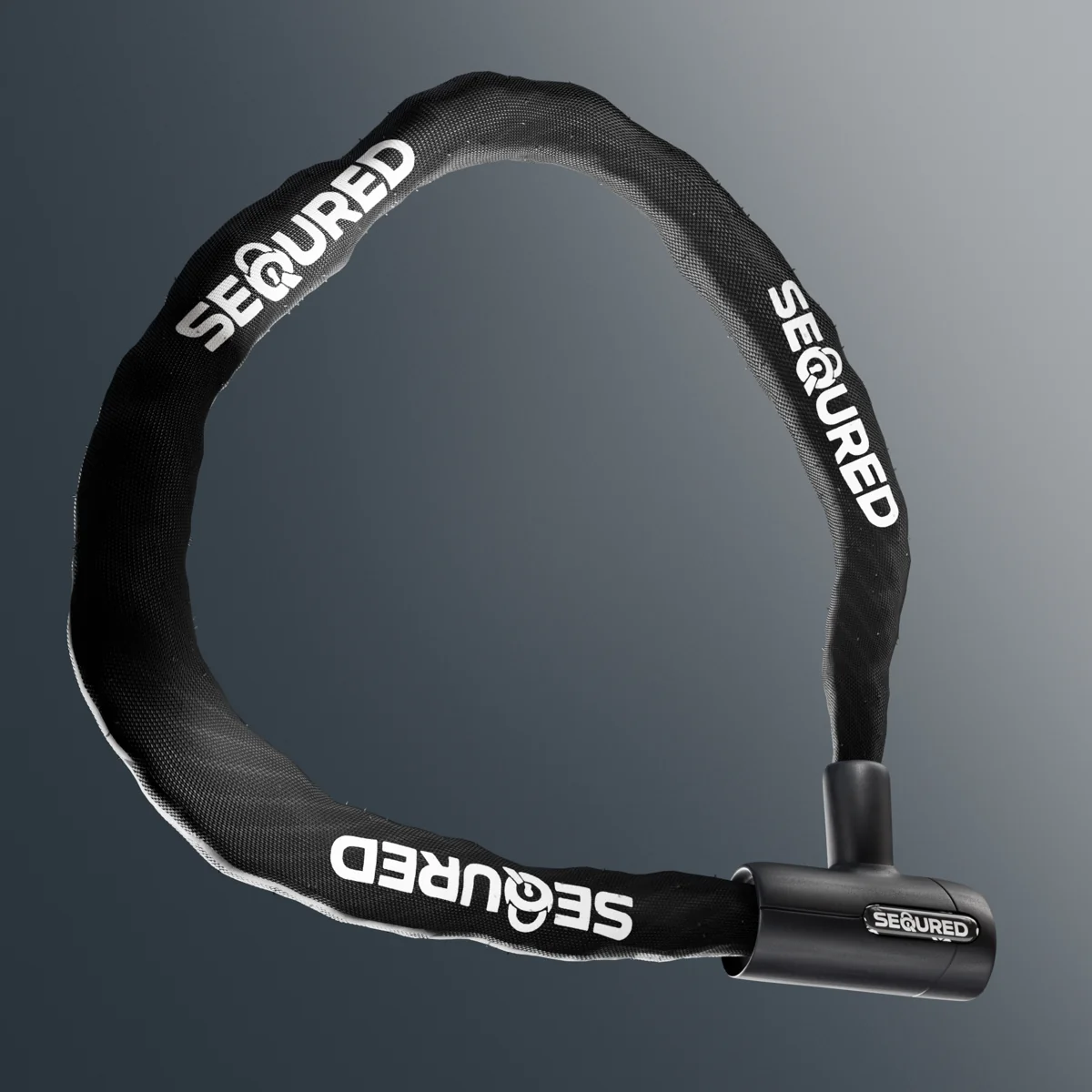
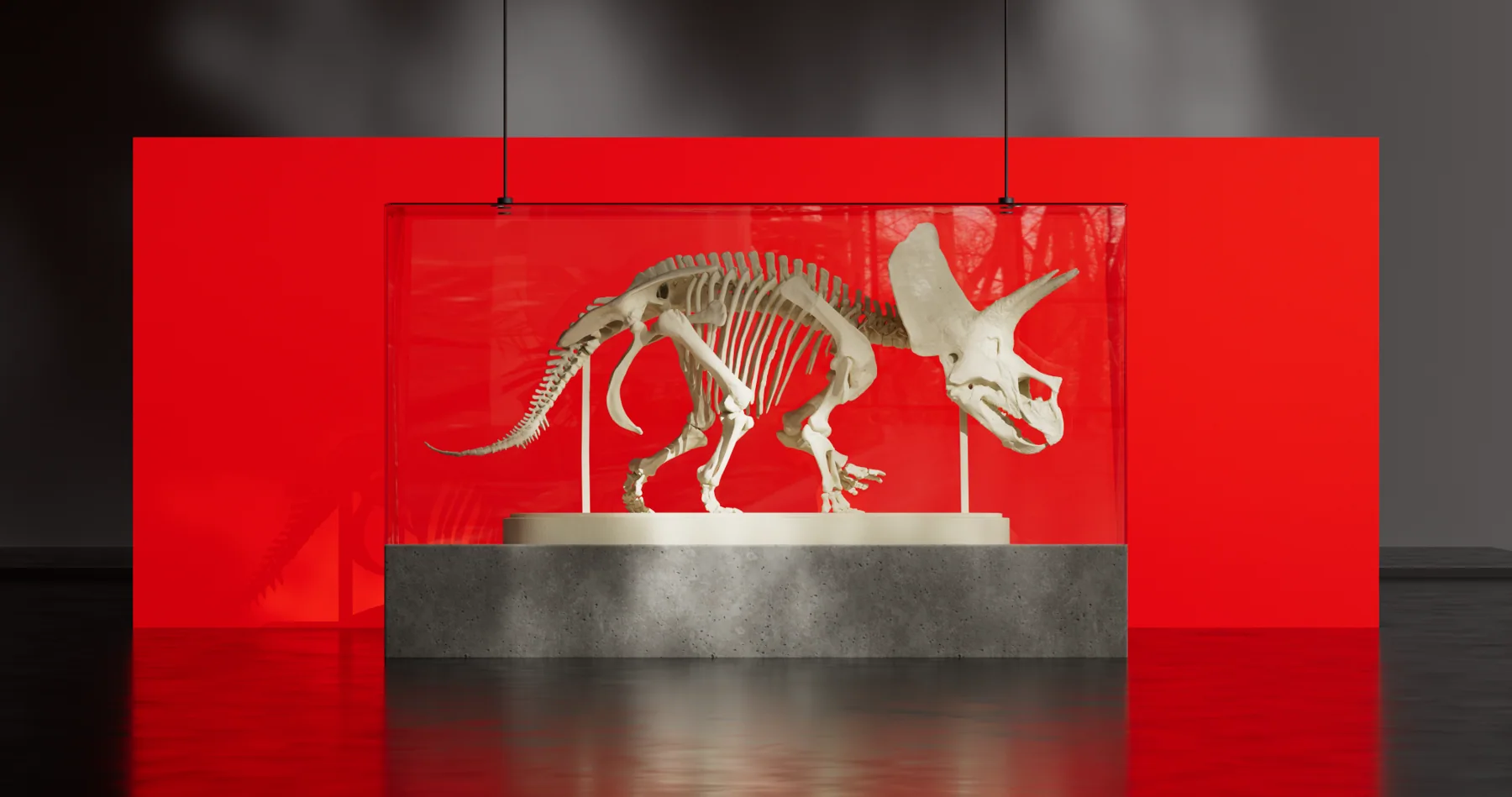
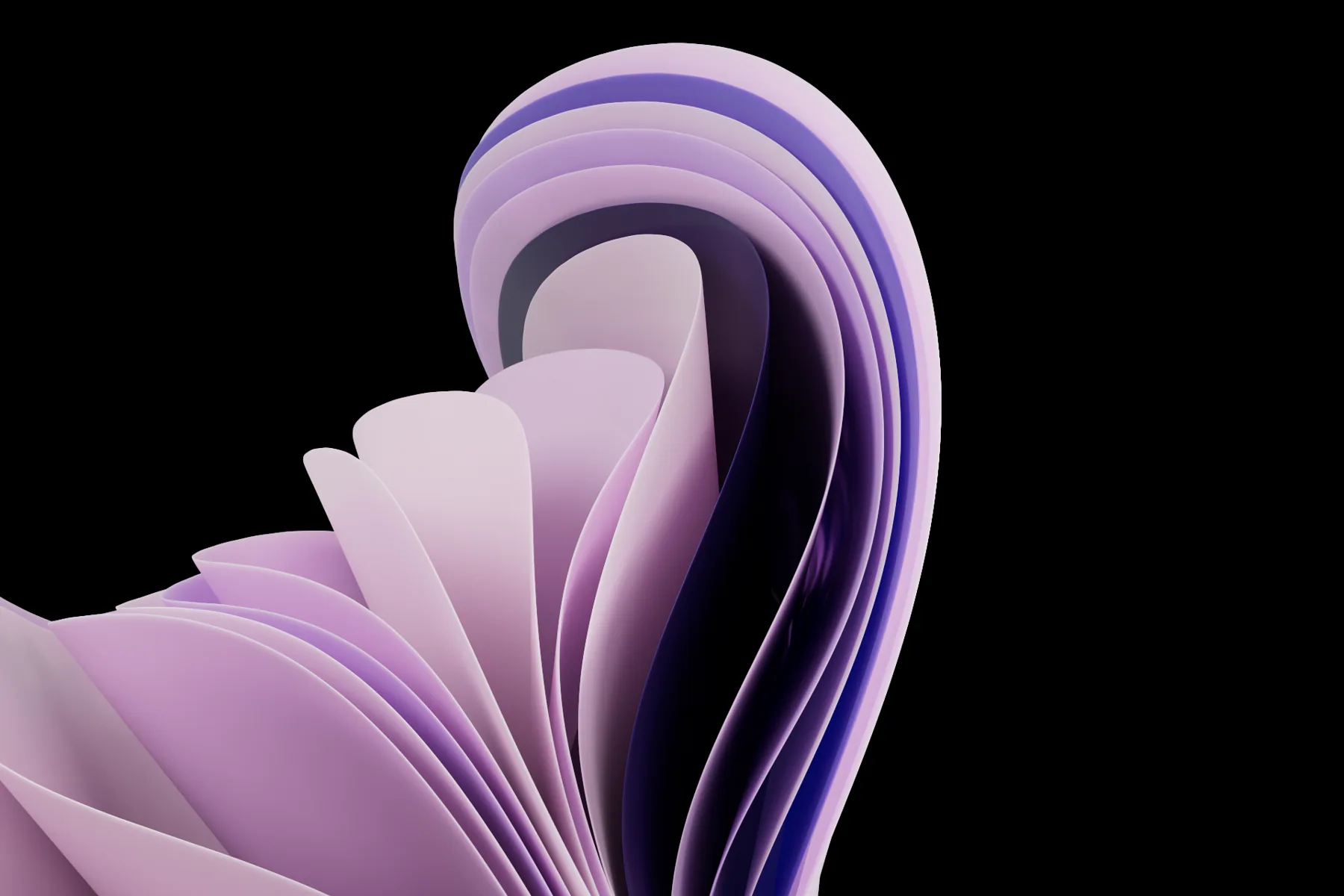
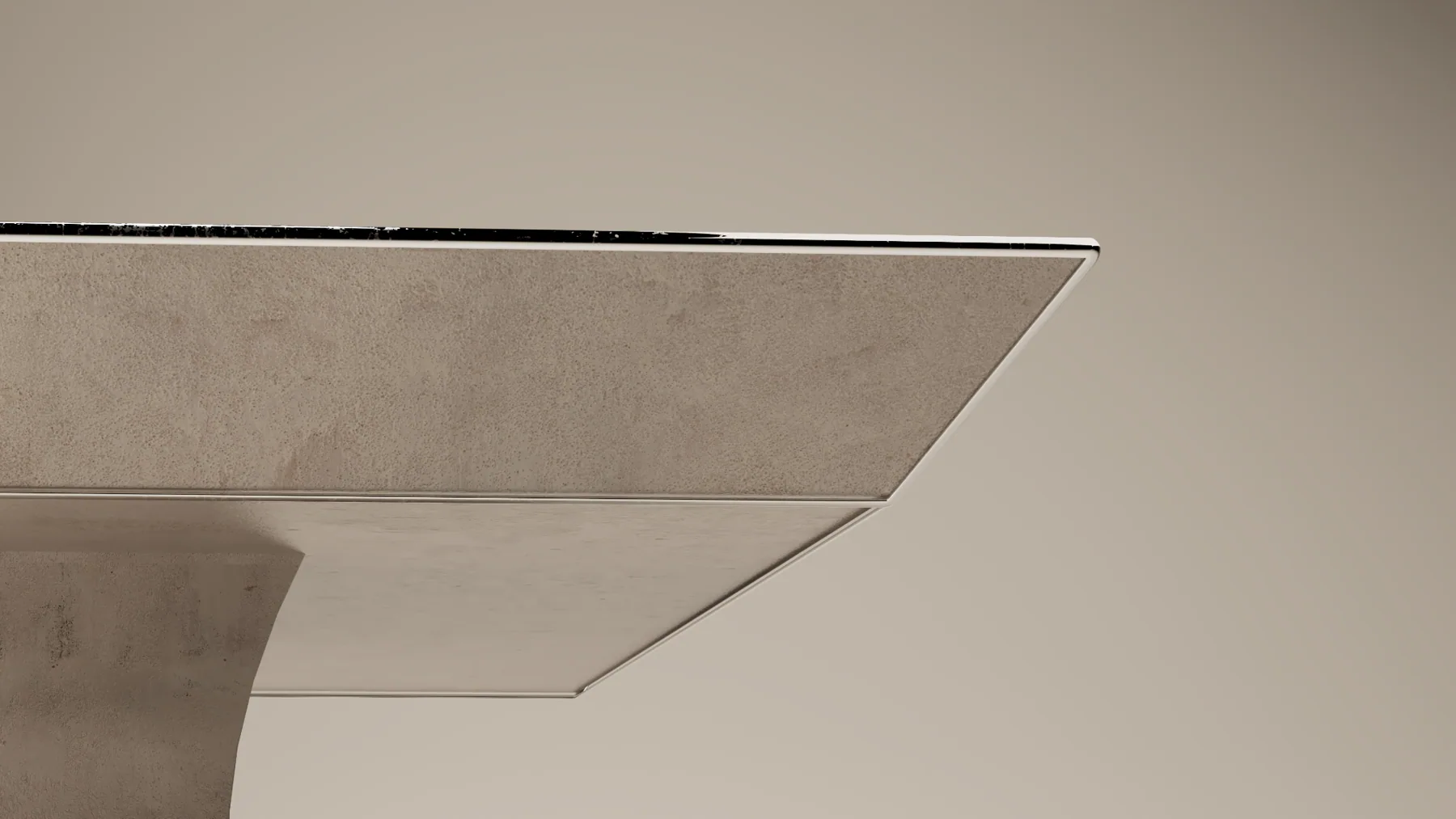
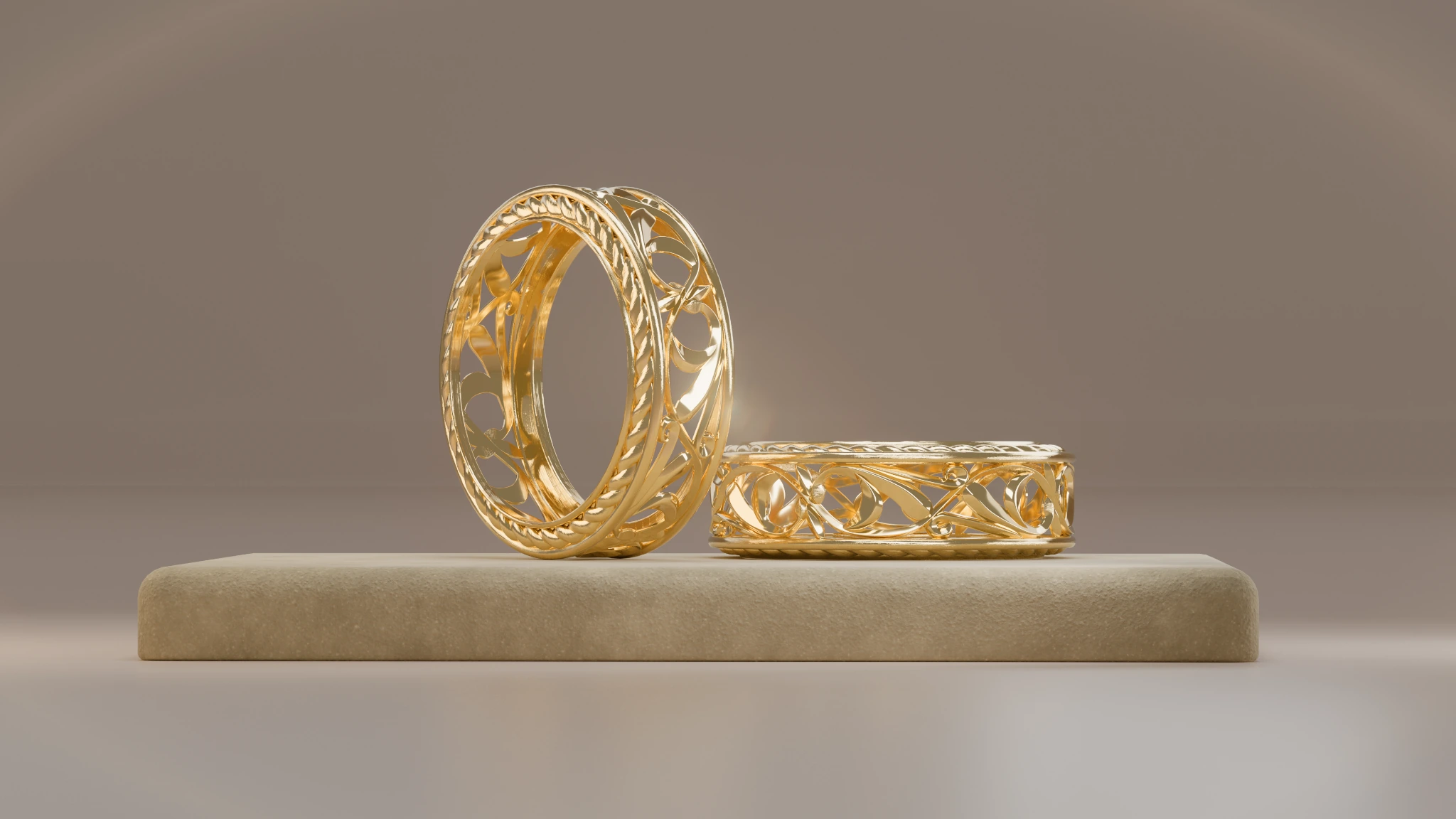
Three passes, each one reviewed with you before the next begins.
We agree on the shots, the mood and the references. I build or clean up the product model and prove materials and lighting on stills before anything moves.
Camera moves, simulations and timing are blocked in Cinema 4D and rendered with Redshift. You review low-resolution previews at every pass.
Final frames in the resolutions and aspect ratios your channels need, with scene files organized so the next campaign starts from the same setup.
Files ready for the channel they are made for, and a scene you can come back to.
Four things clients usually ask before a product film starts.
The product as a 3D or CAD model when you have one, otherwise photos and dimensions, plus references for the mood and the channels the film will run on. The first pass is lookdev: I build or clean up the product model and prove materials and lighting on stills before anything moves.
Cinema 4D with Redshift for lighting, animation and rendering, and Blender when a pipeline calls for it. Deliverables are standard image and video files, so your team needs neither.
Yes. The model is built from photos and measurements, materials and lighting are matched on stills first, and the scene is kept as a reusable setup so the next campaign starts from the same product.
Stills as PNG or TIFF, with EXR render passes on request. Motion as MP4 or ProRes, cut for 16:9, 9:16, 1:1 and 4:5. Low-resolution previews come at every pass before the final render.